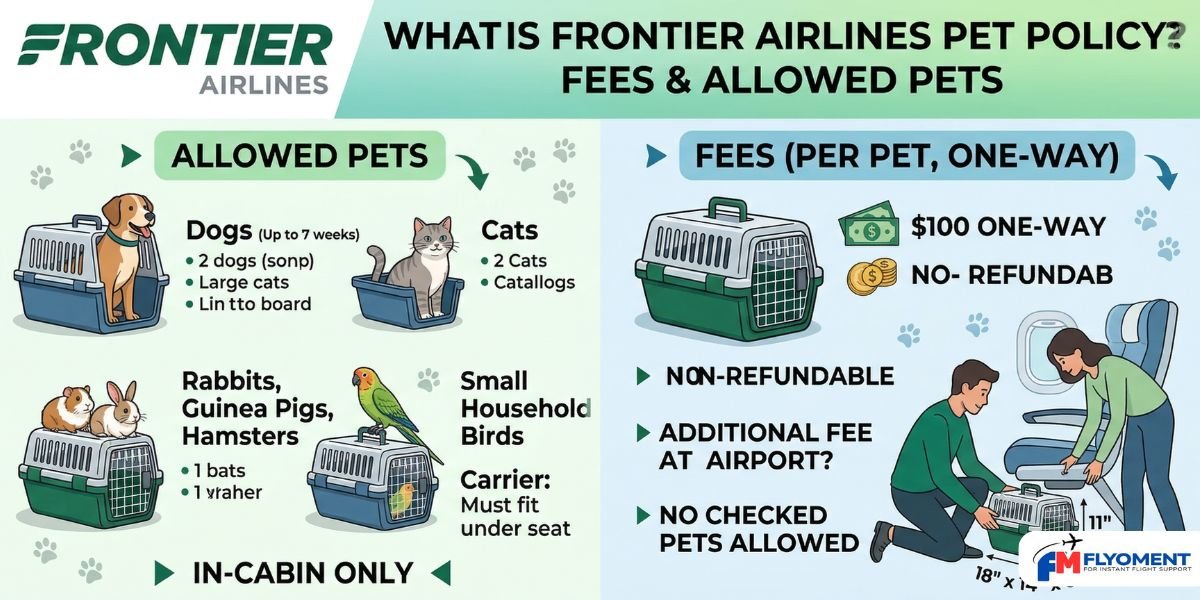
Flying with Frontier Airlines and your pet is a bit different from the major carriers because they are strictly a “cabin-only” airline for animals. You won’t find any options to check your pet as baggage or send them through a cargo facility here. Frontier keeps it simple by focusing on small, domesticated pets that can fit right under the seat in front of you. Interestingly, they are one of the more inclusive airlines for variety, allowing not just dogs and cats, but also rabbits, guinea pigs, hamsters, and small household birds on domestic flights. It’s a budget-friendly way to keep your companion close, provided they are small enough to handle the snug dimensions of an ultra-low-cost carrier’s seating area.
What Are The Pet Crate Guidelines For International Pet Travel?
When you’re preparing for international pet travel, the crate isn’t just a carrier it’s a life-support system that must meet strict IATA (International Air Transport Association) standards. The most critical rule is the “Goldilocks” fit: the crate must be large enough for your pet to stand fully upright (without ears touching the ceiling), turn around completely, and lie down in a natural position. If a gate agent sees your pet’s head touching the top, they can and often will refuse boarding on the spot. Unlike domestic travel where some rules are relaxed, international routes demand a heavy-duty, “escape-proof” setup that can handle the long haul and the pressure of a cargo hold.
- Hardware: The top and bottom halves must be secured with metal nuts and bolts. Plastic clips or “snap-on” latches are a major red flag for airlines.
- Ventilation: For international travel, the crate must have ventilation on all four sides.
- The Door: Must be made of metal with a secure, spring-loaded locking system. Zip-ties are often added at check-in as an extra safety layer.
- Comfort Essentials: You must attach two empty bowls (food and water) to the inside of the door so they can be filled from the outside without opening the crate.
- Snub-Nosed Breeds: If you have a Pug or Bulldog, IATA 2026 guidelines suggest a crate 10% larger than the standard size to ensure maximum airflow.
What Are The Pet Health And Wellness Guidelines?
When you’re flying in 2026, pet health and wellness isn’t just about a quick vet visit; it’s about ensuring your companion is physically and mentally equipped for the sky. Most airlines now require a health certificate issued within 10 days of your flight, proving your pet is free of contagious diseases and up to date on shots. Beyond the paperwork, the focus has shifted heavily toward “flight fitness.” For example, many vets now advise against any form of sedation because it can interfere with a pet’s ability to breathe or regulate body temperature at high altitudes. Instead, wellness today is about “desensitization” spending weeks getting your pet used to their carrier so it feels like a safe den rather than a cage. It’s also about timing; feeding a light meal about 4 hours before takeoff helps prevent motion sickness, while staying hydrated right up until boarding is essential.
Read more: What Is Frontier Airlines Baggage Policy? Carry-On, Checked Bags & Fees
Essential Wellness Pointers:
- The ‘Fit-to-Fly’ Exam: Your vet should do a check for heart, kidney or respiratory problems that altitude may exacerbate.
- No Sedation: Do not tranquilize; use pheromone sprays (Feliway) or “ThunderShirts” to help naturally manage anxiety instead.
- Hydration Plan: Freeze a small dish of water the night before so it can slowly melt during the flight, minimizing spills and keeping everyone hydrated.
- Brachycephalic Awareness: If you’re traveling with a “smush-faced” breed like a Pug or Persian cat, they are at greater risk for heatstroke and breathing problems; find out if the airline will take them in the hold.
- Acclimation: Use the carrier itself as a familiar item to sleep in by placing it next to their new owner’s bed, or have them ‘accidentally’ make deliberate plan for something exciting to tumble off and land easy on this soft landing spot.
- Identification: Make sure your pet is microchipped and has a collar with a “travel tag” listing your destination phone number.
Do Frontier Airlines Allow Pets?
Frontier Airlines is actually one of the most pet-friendly options if you’re traveling within the U.S. and want to keep your companion by your side. They definitely allow pets, but with a major catch: they are a cabin-only airline. This means your pet must be small enough to fit in a carrier under the seat in front of you. Unlike some larger carriers, Frontier doesn’t offer a checked baggage or cargo hold option for animals at all. If you have a small dog or cat, you’re good to go, but larger breeds will have to stay behind or fly with a different carrier.
What’s really cool about Frontier is the variety they allow on domestic flights. While most airlines stop at dogs and cats, Frontier welcomes rabbits, guinea pigs, hamsters, and even small household birds. Just keep in mind that for international trips (specifically to Mexico or the Dominican Republic), they tighten the guest list to only include dogs and cats. You’ll pay a flat fee of $99 each way, and it’s best to add your “cabin pet” during the online booking process to ensure you snag one of the limited spots available on the plane.
What Is The Service Animal Policy On Frontier Airlines?
When it comes to service animals, Frontier Airlines strictly follows the U.S. Department of Transportation (DOT) guidelines, which means they only recognize individually trained dogs as service animals. Emotional support animals no longer qualify for free travel and must fly under the standard pet policy and fees. To fly with a service dog, you’ll need to submit the DOT Service Animal Air Transportation Form at least 48 hours before your flight. This form is your way of attesting to the dog’s health, training, and behavior. Unlike pets, service dogs aren’t confined to a carrier; they can sit at your feet or even on your lap if they’re small enough (about the size of a two-year-old child), as long as they don’t block the aisle or sit in an exit row.
Read more: Does Frontier Airlines Have WiFi in 2026? Latest Updates & Pricing
How To Add A Pet To Your Frontier Reservation?
Adding a pet to your Frontier reservation is actually much easier than with most traditional airlines because you can do it yourself entirely online. Since Frontier is an ultra-low-cost carrier, they’ve streamlined the process into their digital checkout. When you’re booking your flight on their website or app, just look for the “Special Services” or “Traveler Details” section. You’ll see an option to add a pet right alongside choosing your seat or adding a bag. If you’ve already booked your ticket and realized later that your furry friend is coming along, you can simply log into the “Manage Trip” portal, enter your confirmation code, and add them there. It’s a “first-come, first-served” system, so doing this the moment you decide to travel is the only way to guarantee a spot.
Step-by-Step Booking Guide:
- During Initial Booking: On the traveler info page, look for the “Add Pet” option before you reach the payment screen.
- Adding to an Existing Trip: Go to “Manage Trip” on flyfrontier.com or the app, enter your last name and 6-character confirmation code, and select “Special Services.”
- Pay the Fee: The pet fee (usually $99 each way) must be paid at the time you add them to your reservation.
What Is The Frontier Airlines Pet Fees?
When you’re flying with Frontier in 2026, the cost of bringing your pet along is straightforward but firmly fixed as a per-segment charge. You can expect to pay a flat fee of $99 each way. Because Frontier is an ultra-low-cost carrier, this fee isn’t just a suggestion; it’s a dedicated service charge that covers the “seat” your pet’s carrier occupies under the chair in front of you. Unlike some larger airlines that scale their prices based on distance, Frontier keeps it consistent whether you’re hopping a state over or flying across the country. Just remember that this fee is non-refundable, so you want to be absolutely sure your pet is ready for the trip before you click “pay” during your online checkout.
What Are The Important Travel Tips For Flying With Pets?
When you’re preparing for a flight with your pet in 2026, the key to a smooth journey is moving from “packing” to “conditioning.” Airlines have become much stricter about behavior and crate sizing, so your pet’s comfort level with their carrier is now the biggest factor in whether they’ll be allowed to board. Think of the carrier not as a cage, but as their personal “safe zone” during the chaos of the airport. Beyond the hardware, success lies in the small details like freezing their water bowl so it doesn’t spill during boarding or skipping that big pre-flight meal to avoid motion sickness. By treating the travel day as a structured routine rather than a stressful event, you can keep your pet’s anxiety low and ensure you aren’t met with any surprises at the check-in counter.
Essential Flying Tips:
- Getting Acclimated: Get your pet used to his carrier for short periods of time at home starting at least 2 weeks before the flight.
- Feeding: Give a light meal 4-6 hours prior to departure and avoid feeding treats while traveling; flying on a full belly can lead to gas, bloat or an upset stomach from the stress of travel, and we don’t want those accidents in the cabin.
- Hydration Trick: Freeze a mini water tray the night before. It will not spill during the rough boarding process, and melt slowly for your pet to drink while traveling mid-flight.
- Nonstop Flights Only: If you can, try to avoid layovers. It minimizes the overall time of confinement and eliminates exposure to a hot or cold tarmac during transfer.
- The “scent” factor: Insert a worn t-shirt in the carrier so that your pet can smell a familiar scent this does wonders for anxious dogs and cats.
- Arrival Routine: Prior to your arrival, research the “Pet Relief Areas” at the airport through which you are arriving and know where to head as soon_mime_3s the aircraft lands.
Read more: Is There a Frontier Airlines Student Discount? Best Ways for Students to Save
Conclusion
In short, traveling with a pet on Frontier Airlines is one of the most straightforward experiences for small-animal owners, provided you’re okay with keeping them at your feet. Since Frontier doesn’t offer any cargo or checked options, the entire process is built around a “cabin-only” philosophy. This makes it a great, budget-friendly choice for domestic hops where you want to avoid the stress of separating from your pet.
As of 2026, the policy remains refreshingly consistent: pay your $99 fee, use a soft-sided carrier that fits the snug under-seat dimensions, and ensure your pet is at least 8 weeks old. While it requires a bit of sacrifice on your own legroom and carry-on space, the ability to bring along rabbits or birds not just dogs and cats gives Frontier a unique edge. Just remember to book early, as those limited cabin spots fill up fast.
FAQ
Q.1 How Strict Is Frontier With Pets?
Ans: Pets are allowed in the cabin on all domestic Frontier flights. You may not sit in row one or an exit row when traveling with a pet.
Q.2 Do I Need A Travel Paper For My Dog On Frontier Airlines?
Ans: While we do not require a health certificate for pets carried in the cabin traveling within the US, upon arrival, a certificate may be required by the specific state in which you are landing.
Q.3 Can I Bring Snacks On Frontier Airlines?
Ans: Food is usually allowed, but may need to be screened separately. Carry-on and checked bag rules differ, so always double-check based on how you plan to pack.
Q.4 How Do I Fly With My Dog On Frontier Airlines?
Ans: Pets are allowed in the cabin on all domestic Frontier flights. You may not sit in row one or an exit row when traveling with a pet.